Building Green, Building Smart: The Future of Industrial Construction
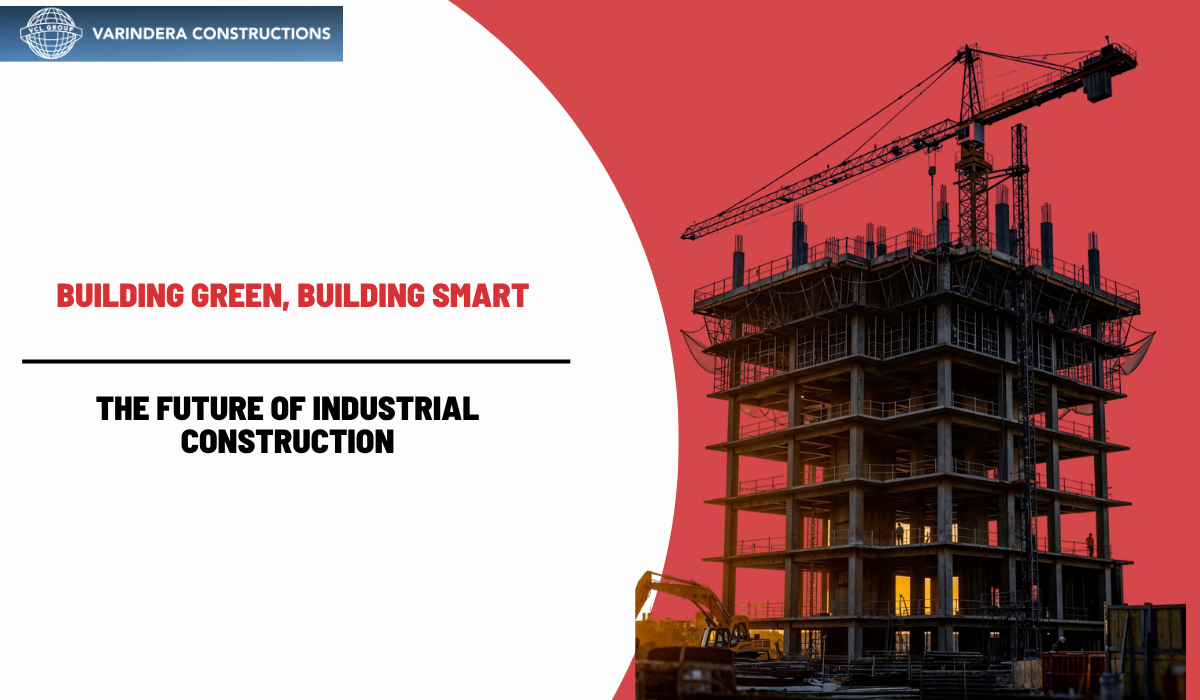
The need for sustainable solutions is increasing with each passing day. Construction is joining other industries in realizing the need for eco-friendly methodologies. Green buildings are becoming the center of responsible development. As concrete jungles grow, so must our environmental consciousness. This industrial transition is essential and unavoidable. Factory, warehouse, and processing plants—once major polluters—are now the key to the green movement. Demand is economic, regulatory, and practical as well as environmental. Sustainability has gone from buzzword to bottom-line issue.
The industrial buildings contractors in India see this transition as an opportunity. Environmentally responsible builders are gaining popularity. Governments are encouraging innovators with incentives and rewards.
What Are Green Buildings?
Green buildings are intentionally designed ecosystems by the top infrastructure companies in India. Common structures waste resources without consideration, whereas green buildings give back. A simple yet fundamental principle underpins green construction: harmony with nature. These buildings save energy, water, and trash. Every window, pipe, and light fitting is picked carefully. Their efficiency, responsibility, and attentive engineering are quite evident.
Industrial stakes are higher. Massive operations always need intelligent infrastructure. Innovative and trustworthy green buildings fulfill this demand. They turn output spaces into sustainability temples. The heritage of construction, conscience, workmanship, and a cleaner future awaits all industrial buildings contractors in India who embrace this transformation.
Salient Features and Attributes of Green Industrial Buildings
● Energy-efficient lighting systems
● High-performance thermal insulation
● Solar power generation panels
● Rainwater harvesting setup
● Low-VOC construction materials
● Natural daylight utilization
● Smart energy monitoring systems
● Green roofing installations
● Recycled construction materials
● Efficient waste management systems
● Low-emission equipment usage
● Water-saving plumbing fixtures
● Certified green building standards
● Sustainable site development
● Natural ventilation pathways
● Noise pollution control features
● Adaptive building design
● Eco-friendly flooring materials
● Motion-sensor lighting controls
● Stormwater management systems.
Why Green Buildings Matter for Industrial Contractors
The industrial buildings contractors in India now feel the winds of change roaring with purpose. Governments around the globe are tightening restrictions, defining sustainability. Compliance is now mandatory for entering tomorrow's market. Ignoring this transition is like constructing castles on a sinking coastline.
Clients also look for significance in material instead of brute constructions. They want moral walls and graceful roofs. Thus, sustainability has now become a business need, not a luxury. Despite pressure, hope exists. Green structures are noble and cost-effective. They sip energy instead of gulping it. They need less maintenance and create less waste. Their gains eventually outweigh their expenditures. Sustainability-focused contractors are now progress partners. Clients remember them. Markets reward them. And, Earth thanks them in her silent language. Building green means leading, not following a trend. Every project leaves a legacy beyond steel and stone.
Green Construction Practices – Advantages at a Glance
Industrial contractors influence the future when they use the green building concept. Rich and complex advantages go beyond steel and concrete. They start in our breath and spread to balance sheets and boardrooms. Green techniques quietly revolutionize the environment. Emissions decline. Waste becomes useful. Once wasted, resources are carefully managed. Each building becomes a soft-spoken earth ally, relieving skies and soil.
The figures are convincing economically. Melting shadows reduces energy expenses. Thoughtful design reduces expensive, continual maintenance. Instead of charity, incentives reward responsibility. Tax refunds, green certifications, and operational savings speak of financial sense. Beyond carbon counts and cost sheets is the human heart. Green buildings provide better air and safer spaces. Workers breathe easy. Minds concentrate. Sunlight and clean air reduce illness. Value accumulates like gold in corners. Buyers and renters choose green assets. Marketability rises. Brand glows brighter. All sensible infrastructure companies in India should be happy to produce green construction, which is a philosophy in brick, a future in steel, and a promise for the future.
How Contractors Get Ready for the Green Building Revolution
● Hire experienced green consultants
● Pursue LEED certification programs
● Join IGBC training initiatives
● Adopt green design software
Use energy modeling tools
● Implement BIM for sustainability
● Start with pilot projects
● Retrofit existing industrial spaces
● Choose recycled construction materials
● Optimize building orientation
● Install smart energy systems
● Integrate water-saving technologies
Upgrade to an efficient HVAC
● Promote low-emission machinery usage
● Educate clients on savings
● Present the ROI sustainability reports
● Attend green building expos
● Stay updated on regulations
● Promote green credentials proudly.
Challenges Faced by Industrial Contractors
Top industrial buildings contractors in India often hesitate and ask hard questions before green construction. Skeptical eyes make early expenses seem more than they are. Clients worry about finances, contractors about returns. ROI is silent over time, but today's deadlines make it seem remote. Additionally, noble, low-impact green materials might be hard to find or pricey. Local suppliers may fail. Import expenses may climb. The palette for sustainable construction may lack convenient hues.
Expertise is a door and a wall. Green construction requires abilities not taught in traditional courses. Teams must abandon habits, rediscover accuracy, and adopt new craftsmanship. Then come the complex, changing, regional restrictions. Their management demands patience, advice, and clarity. Yet these problems provide silent opportunities. Overcoming challenges leads to relevance, resilience, and industry recognition.
The Future of Industrial Green Construction
The future of industrial green development is bright and hopeful. Future construction will breathe, adapt, and survive with elegance. Net-zero energy buildings are becoming commonplace. Once a scientific goal, carbon capture now has real-world models.
Contractors become visionaries in this changing world. They now curate futures by infusing initiatives with intelligence, accountability, and regenerative purpose. Their moral authority as environmental stewards and change agents grows.
Opportunities arise in both new and existing buildings. Reusing historic buildings is a holy art that revitalizes worn walls, reduces trash, and integrates sustainability into yesterday's architecture. Beauty, usefulness, and ethics act together now. Green buildings encased in steel and sunshine are the standard of the future.
This moment will make contractors torchbearers, not just relevant. Every green initiative shapes places and legacies. In a world that needs conscience, builders become poets of development, creating optimism from concrete and etching a cleaner future into the industrial skyline.
Concluding Remarks
The transition to green industrial construction is now mandatory. Contractors may change the world between urgency and opportunity. The stated and silent rewards are numerous. Maintenance decreases gently. Water flows smarter. Previously unremarkable spaces awaken with meaning.
This goes beyond carbon reduction to raise requirements. The goal is to construct structures that respect the environment, future, and present. Each recycled beam and energy-efficient fixture tells a narrative of mindfulness.


